







The intelligent procedure platform for manufacturing.
Vexum is an intelligent procedure platform for manufacturers. It turns your documents into step-by-step procedures, runs the work against each step, records where the real work differs from what is written, and turns that into reviewed changes and training.
“I think Vexum will lower our customer claim rate from 2% of revenue to 1%, a $110M impact.”
Created by alumni from











 Procedures Your documents, turned into step-by-step procedures with every step cited.02
 Workspace Where your team works each procedure, with the routine steps done in your systems.03
 On the floor Every step on the station’s tablet, scanned, photographed or said, on the same record.04
 Change management Every change proposed, approved and published, with the full history.05
 Training Built from your procedures and real cases, then assigned and tracked.06
 Integrations Custom-built for every system you use, read-only by default.
Your documents, structured into procedures. Every step cited and classified.
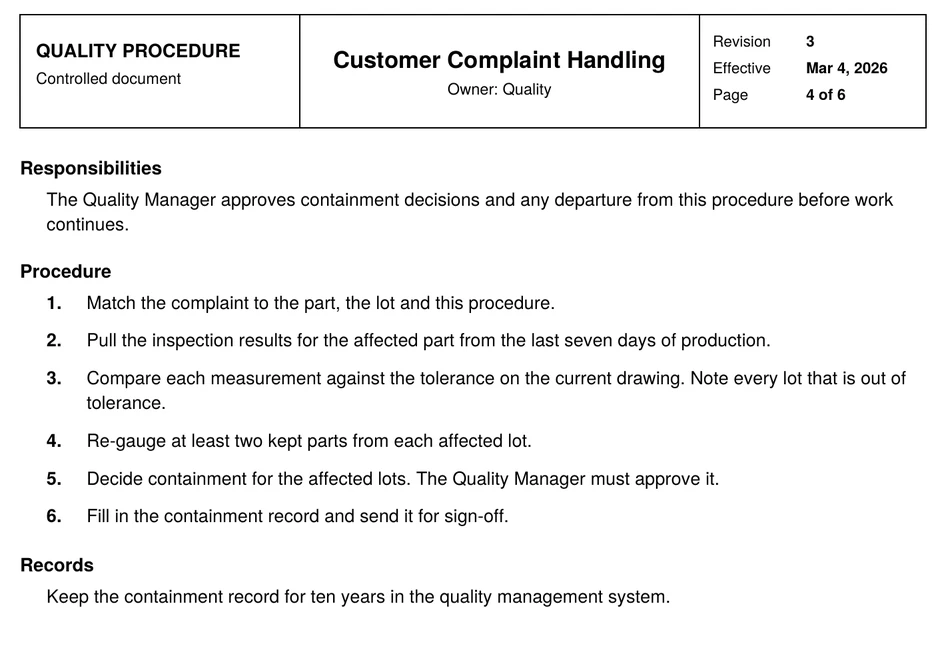
Example: uploading procedures. Three files are uploaded and ready: Customer complaint handling.pdf (PDF), Line changeover.docx (Word) and Hot work permit, scanned.jpg (a scanned image). Vexum reads page 4 of 6 of Customer complaint handling.pdf and finds six steps, each linked to page 4: 1. Match complaint to part and lot. 2. Pull inspection results. 3. Compare to drawing tolerance. 4. Re-gauge parts from each lot. 5. Decide containment. 6. Fill in containment record.

Example: Classifying steps: Vexum suggests who handles each step, a manager changes one step to Assisted, and publishes the procedure.
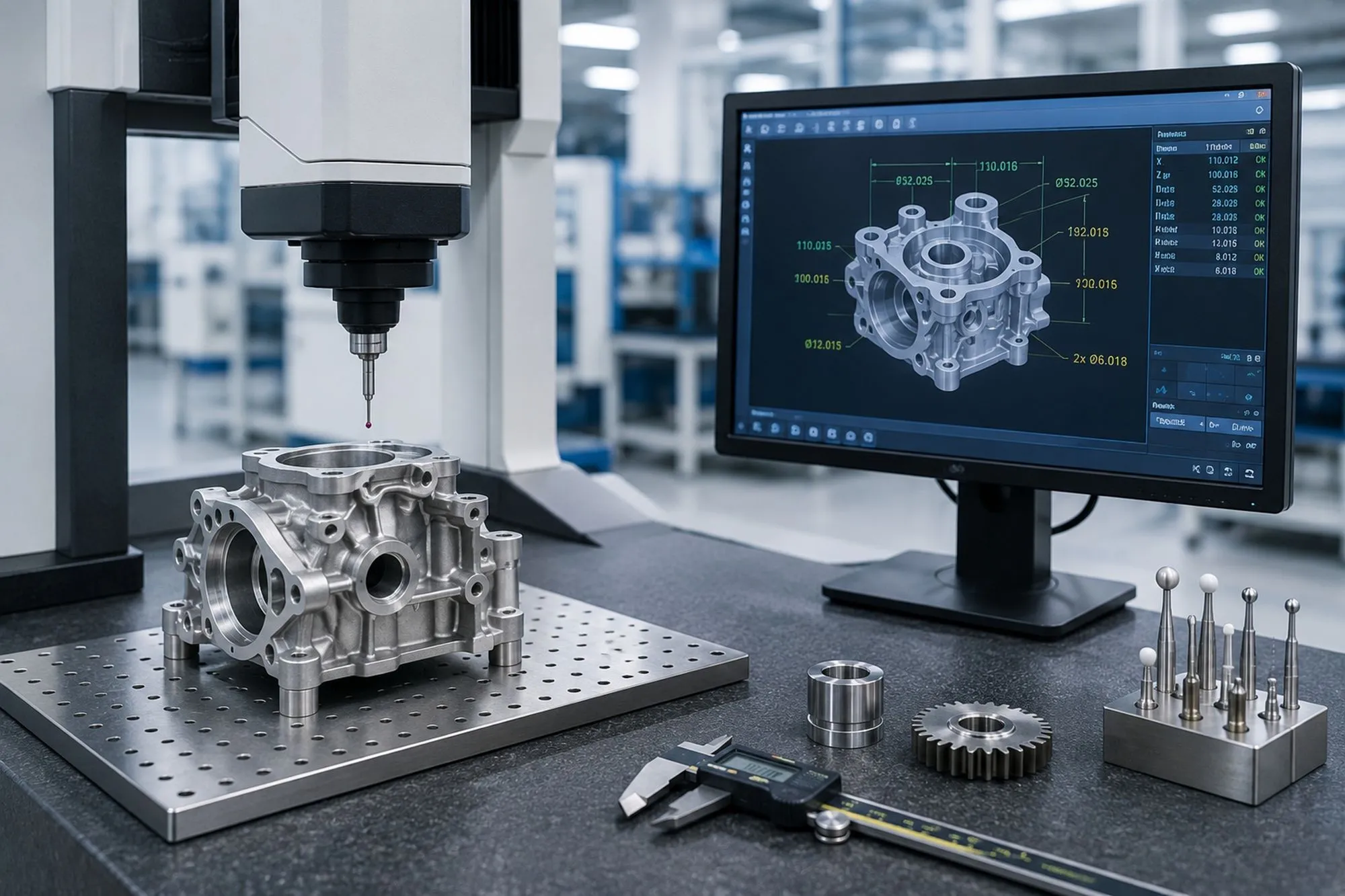
Example: A procedure library viewed by location. Filtering to Monterrey shows the procedures used there, and an out of date version is brought in line with Toledo.

One workspace for the work, grounded in the procedure.
Example: Working a procedure: Vexum completes the routine steps, waits for an operator to re-gauge parts, then for a manager to approve containment, and finishes.

Example: Asking a question inside an event; the answer cites past events, the procedure and maintenance records.

Example: An event with severity, a deadline and a person assigned to each step, a mention and an automatic reminder.
Example: Three enforcement settings for one step. Allow and log: the skip is logged. Warn first: a warning and a reason are required. Require approval: the skip is blocked until a manager approves.

Example: Five completed events compared with the written step; four did it differently, and Vexum drafts a revision that a manager accepts.

Tribal knowledge, captured on the floor. Then written into the procedure.
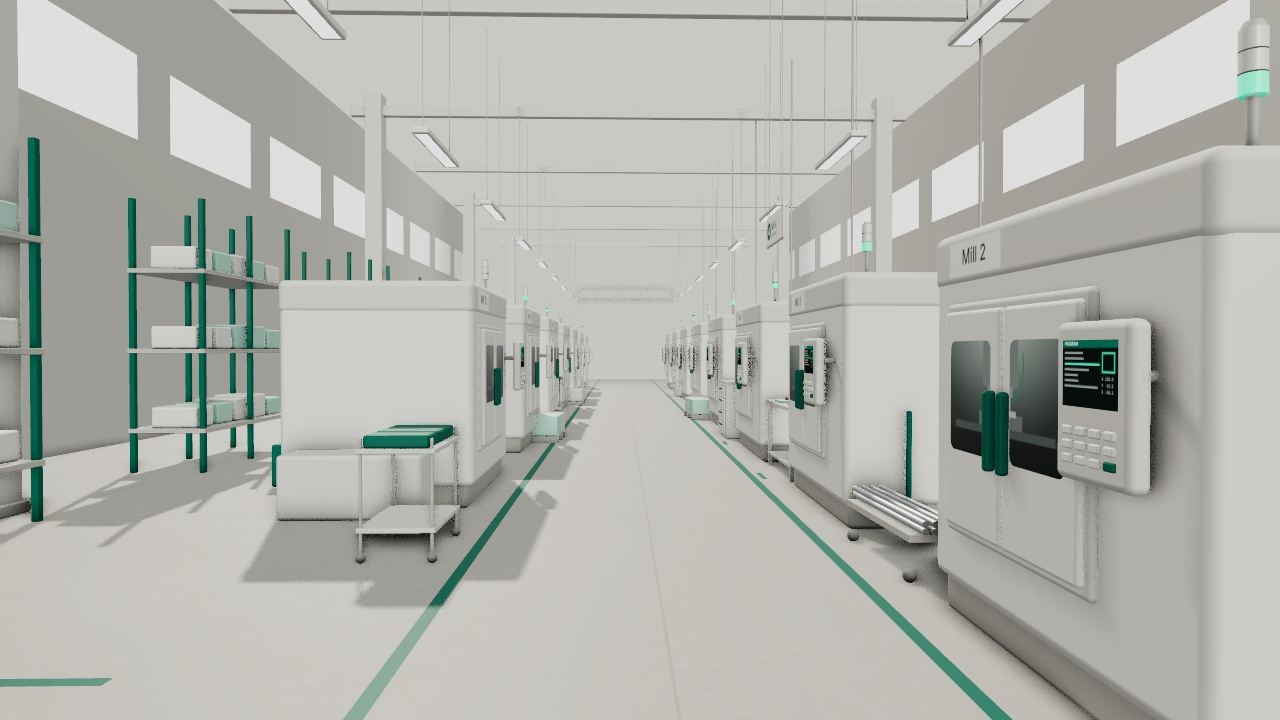
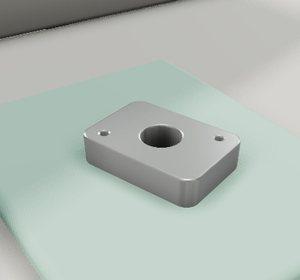
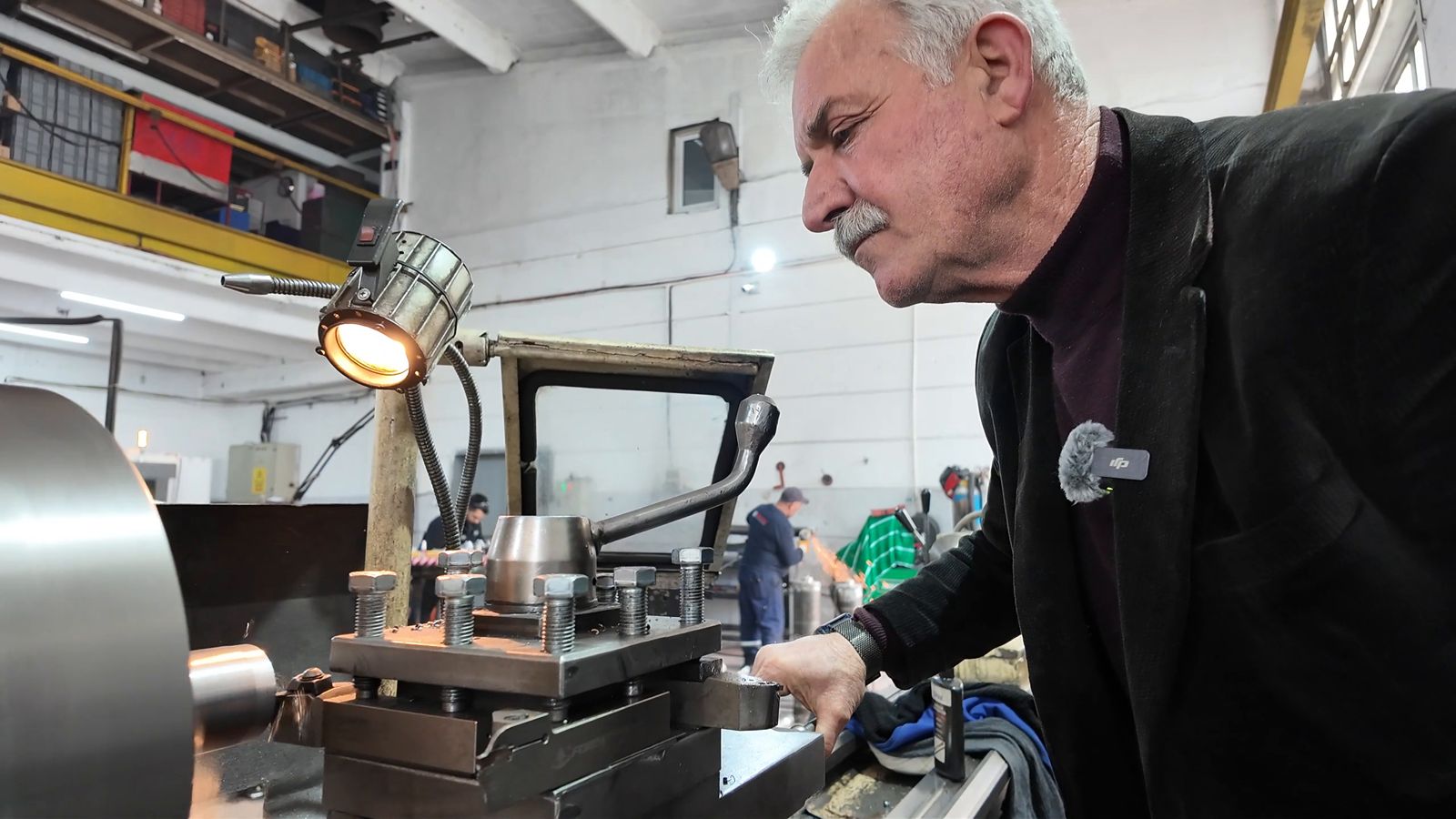
Example: capturing how a step is really done, at Mill 4. Step 2 of the Mill changeover procedure, as written: Load the program. Run the first part and check it. The step asks for a photo of the first part and for how it was done, and warns if it is done differently. The operator signs in at Mill 4 by scanning the station’s tag on a tablet. Vexum: How did you run the first part? Operator: I warmed the spindle up for ten minutes first, then ran it. Vexum: That isn’t how step 2 is written. What made you warm it up first? Operator: Cold, the first part cuts small. About two hundredths under on the bore. Vexum: Can you show me? Take a photo of the warm-up on the control. Vexum: Why ten minutes? Operator: Ten is when it stops growing. Five wasn’t enough. Vexum reads the account back: Warm the spindle for ten minutes before the first part. Cold, it cuts the first part about 0.02 mm small. Five minutes isn’t enough. The operator confirms, and Vexum records it on step 2 with two photos. Vexum then proposes a change request for the step with the reason and the evidence. The quality manager approves it, and version 4 of the procedure is published.
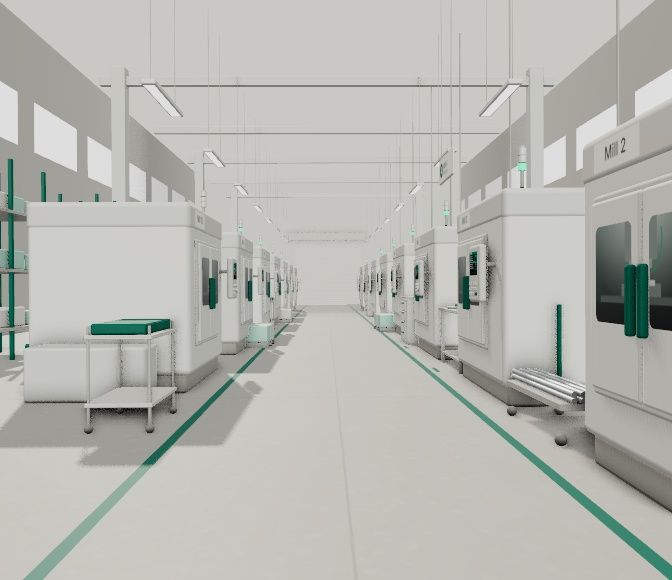
Load the program. Run the first part and check it.Load the program. Warm the spindle for ten minutes. Run the first part and check it.
How did you run the first part?
I warmed the spindle up for ten minutes first, then ran it.
That isn’t how step 2 is written.
Step 2, as writtenLoad the program. Run the first part and check it.
What made you warm it up first?
Cold, the first part cuts small. About two hundredths under on the bore.
Can you show me? Take a photo of the warm-up on the control.
Take a photo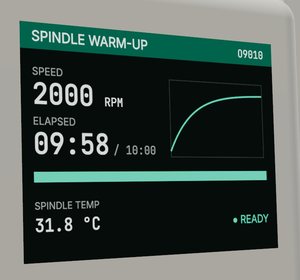 Photo · Mill 4 control
Why ten minutes?
Ten is when it stops growing. Five wasn’t enough.
- Warm the spindle for ten minutes before the first part.
- Cold, it cuts the first part about 0.02 mm small.
- Five minutes isn’t enough.
2 photos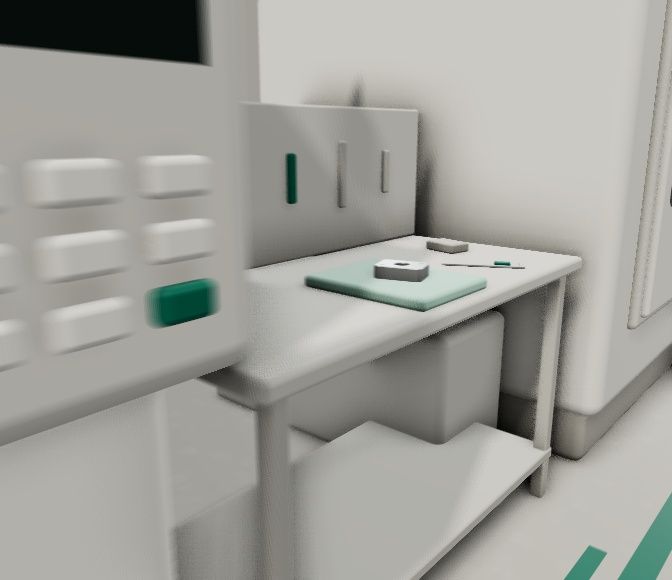
Warm the spindle for ten minutes before the first part. Cold, it cuts the first part about 0.02 mm small; five minutes isn’t enough.
J. Ortiz, said on step 2 with 2 photos, read back and confirmedOperators use Vexum on the station’s tablet or their own phone. No audio is kept; the record holds the words the operator confirmed.
Example: A change request to step 5 of customer complaint handling. The old text is struck out, the new text is shown with the reason Vexum suggested, and it is submitted for approval.
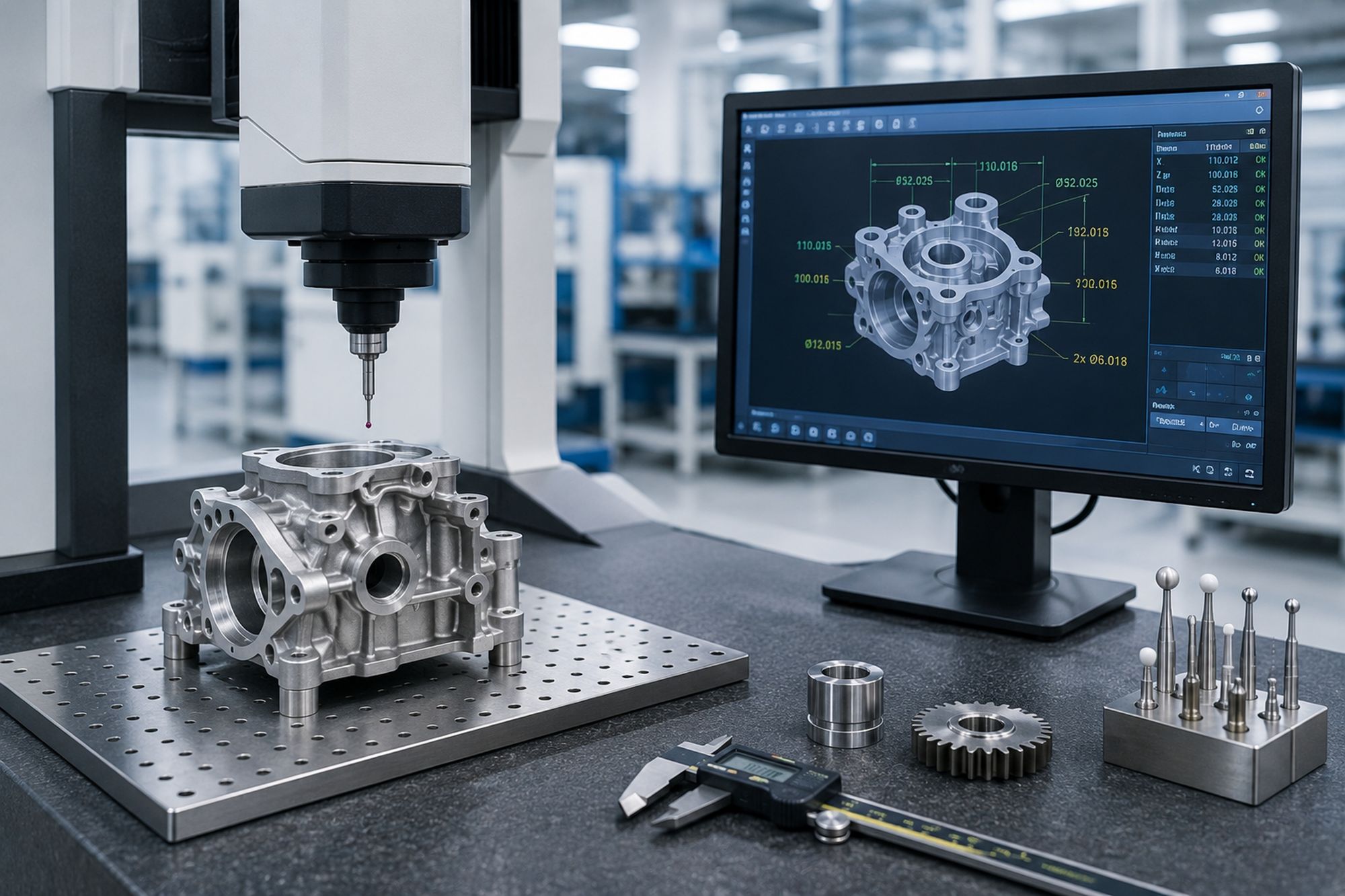
Example: Reviewing the change: it touches two procedures, three locations and one training. The quality manager signs, then the plant manager approves.
Example: Publishing version 4: it goes live at Toledo, Monterrey and Greenville at once, older versions are kept, and 12 people trained on version 3 are flagged to retrain.


Change a procedure without losing control of it. Every change proposed, approved and published the same way.
Create, assign and track training. Built from your real work.


Example: generating a training from the customer complaint handling procedure and two past complaints. Vexum builds a reading, a video, a worked case and a quiz.

Example: assigning the training to line 3 operators on shift B in Toledo, twelve people, and following each person’s status as they start and finish.

Example: J. Lee working module 3 of 4, a real case from last June: a bore measured 12.08 mm against a 12.05 mm limit. She chooses to re-gauge two parts from each lot, and the feedback cites the procedure.
Custom‑built for every system you use. Replaces none of them.
Vexum connects to your ERP, MES, QMS, document stores, email and chat, off the shelf or built in-house. We build each integration for your systems during setup, and nothing gets replaced. Your team searches, reads and acts in each one from inside Vexum. Integrations read only by default; Vexum writes to a system only where you allow it.
Example of Vexum working across connected systems on one complaint: read 23 inspection results from an in-house MES (done); opened the part drawing in Dassault Systèmes (done); found the complaint and 2 prior cases in Salesforce (done); put 2 affected lots on hold in SAP (done); drafted an update to the quality team in Microsoft Teams (drafted).
Example: Vexum at the center of connected systems, including in-house systems and products such as SAP, Oracle, Microsoft, Salesforce, Dassault Systemes, Autodesk, Rockwell Automation, IBM, Snowflake, Microsoft Teams, Slack and Gmail.














Built for every team that works from procedures.
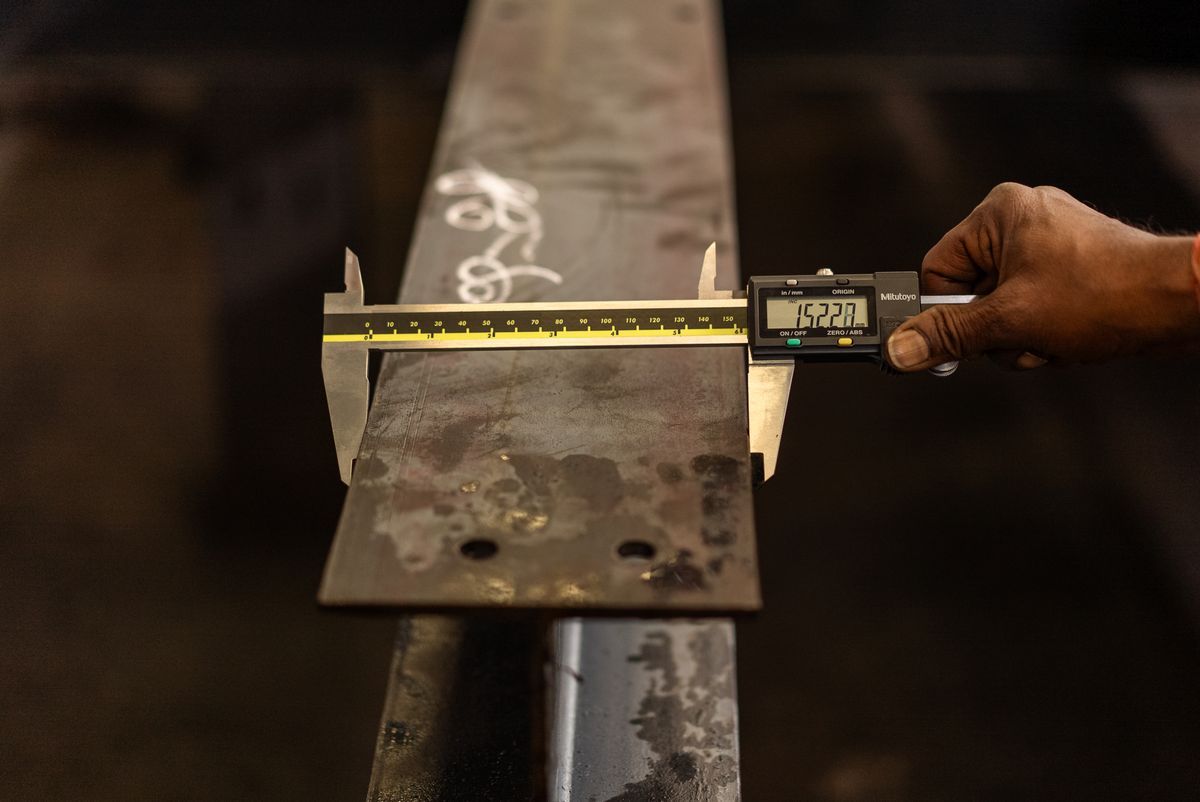
Standard work
Changeovers, line clearance and shift handovers, held to the procedure.
Explore Standard work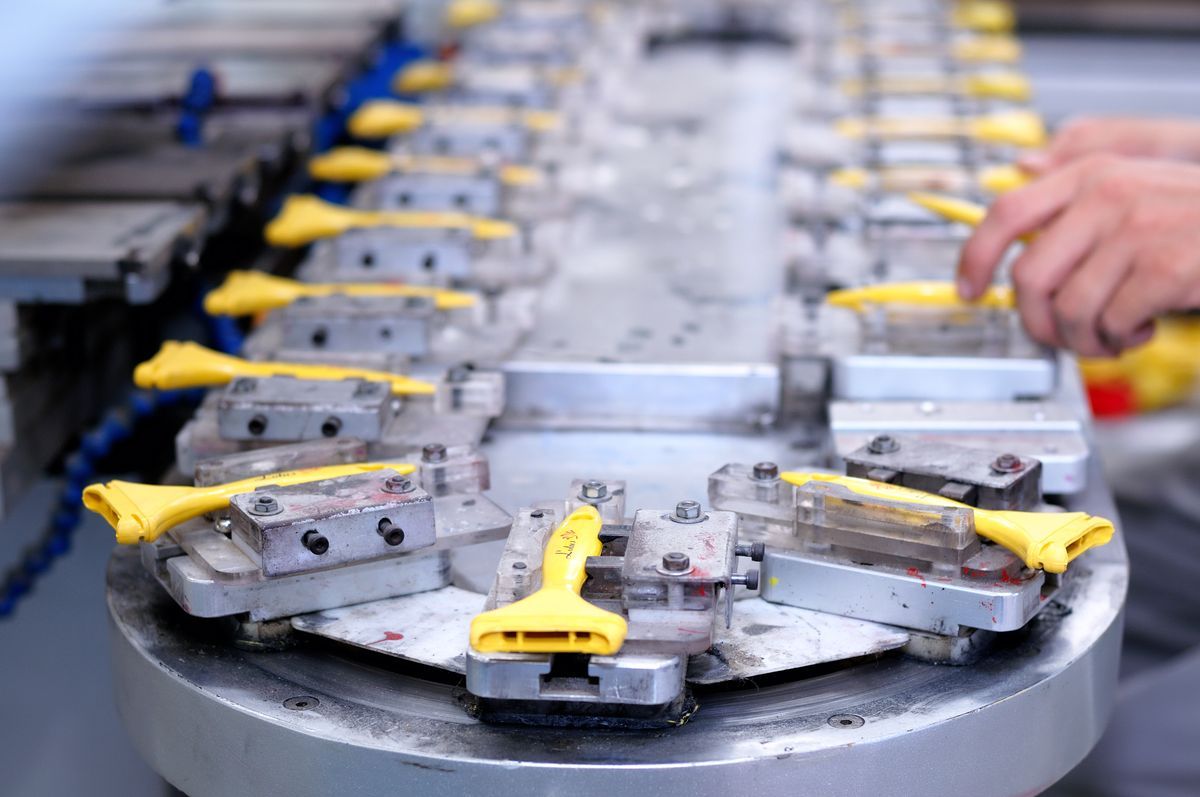
Safety and EHS
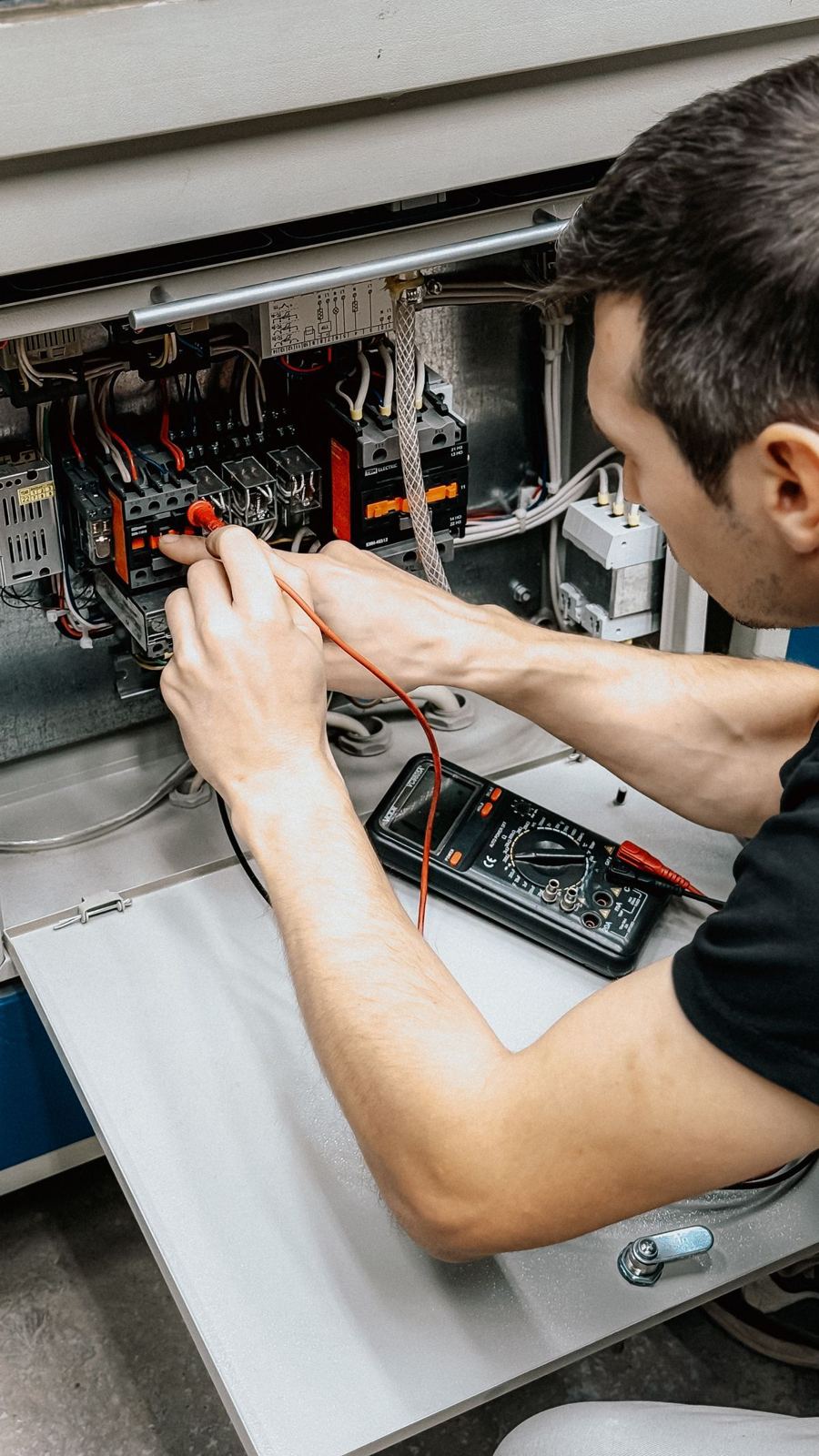
Permits, lockout and incident reviews. The safety steps can't be skipped.
Explore Safety and EHS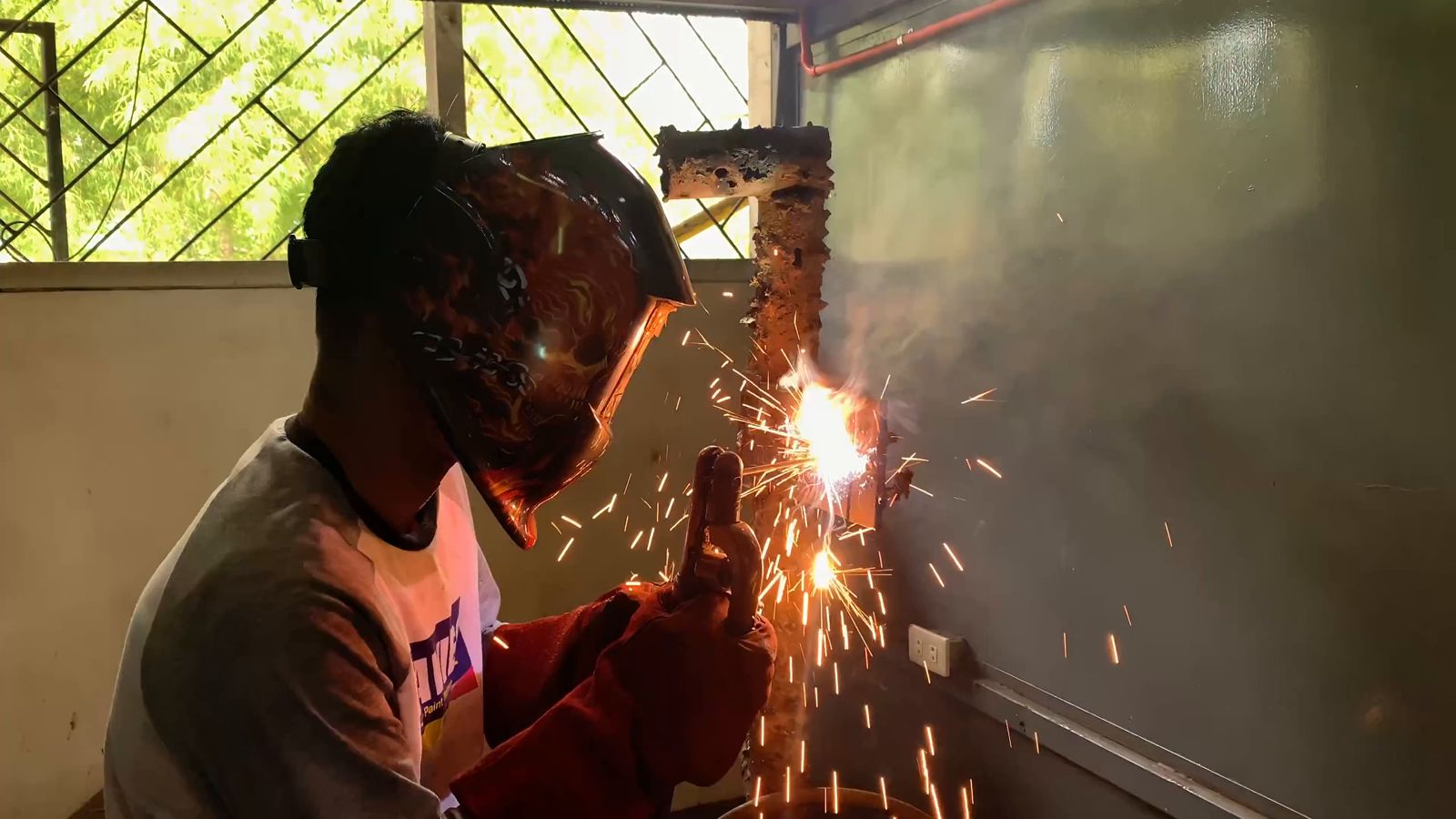
Engineering and supplier change
Every change traced to the procedures, parts and suppliers it touches.
Explore Engineering and supplier change
Release and audit
Every record checked before a lot ships, with the audit trail already written.
Explore Release and audit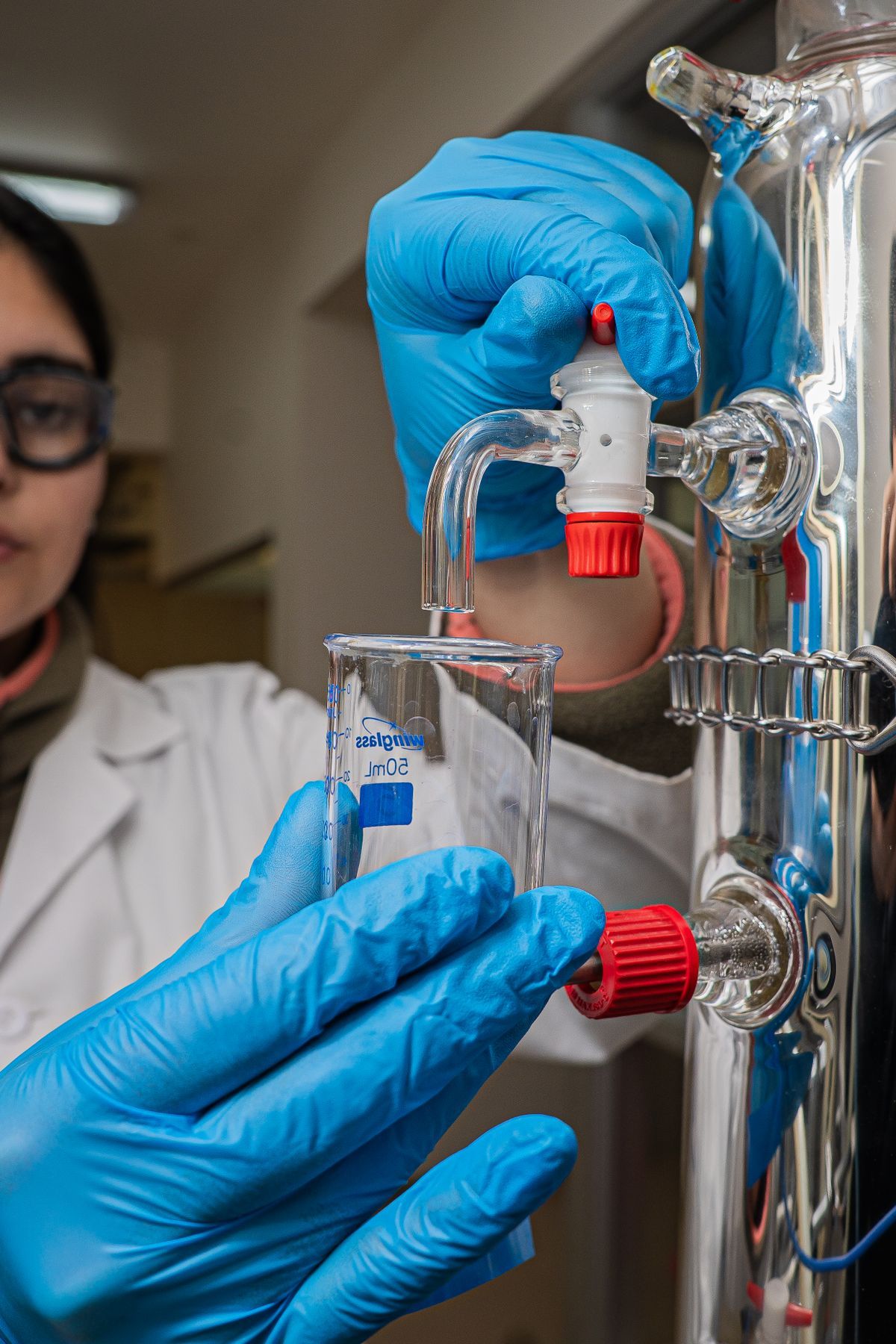
Your data runs in its own environment. It’s never used to train models.
SOC 2 Type II: audit in progress. ISO/IEC 27001: certification in progress.
Our SOC 2 Type II audit is underway with an independent auditor, and ISO/IEC 27001 certification is in progress. Neither is complete yet.
FAQ
What is Vexum?
An intelligent procedure platform for manufacturers. Manufacturers run on written procedures, but the way work is written down drifts from the way it actually gets done. Vexum covers the whole life of a procedure, from creating it to running it, changing it and training people on it, and closes that gap.
How does Vexum find where procedures drift?
The work runs through Vexum. Every reading, photo, decision and answer is recorded against the step it belongs to and compared with what is written, so Vexum can show, step by step, where the procedure and the real work differ.
How do procedures get better over time?
Vexum proposes changes from the deviations it detects and the outcomes of past runs. Managers review each one through your approval route, and every signature is recorded. Once approved, a change can roll out one line or location at a time.
What does Vexum automate?
Each step is classified when the procedure is created: automated, assisted, done by an operator, or drafted for a person to sign. You confirm every label, so you decide exactly what gets automated.
How do operators use it on the floor?
Operators work the procedure with a voice agent, on the station’s tablet or their phone. It walks them through each step, asks for the evidence the step needs and answers their questions. When the work differs from the written step, it asks why, asks for proof, and reads the account back before recording it, and those recorded differences feed the changes Vexum proposes.
Which systems does it connect to?
ERP, MES, QMS, document stores, email and chat, off the shelf or built in-house. Each integration is custom-built and read-only by default; Vexum writes to a system only where you allow it. Nothing gets replaced, and your team works with each system from inside Vexum.
How does setup work?
You send us the procedures you already have, in any format, and Vexum structures each one into steps that cite the source file. A manager reviews every procedure before it runs. We build an integration for each system you use, read-only unless you allow writing, and Vexum runs in your cloud account or on your own servers. Your team’s part is reviewing the procedures and granting access to the systems.
How is it different from a QMS or work-instruction tool?
Most of them store or display procedures as documents. Vexum records where the real work differs from the written procedure and uses those differences to propose the next version, for a person to approve. It works alongside those tools: your QMS stays the system of record, and nothing is replaced.
Is our data used to train models?
Never, under any plan. Each customer runs in its own isolated environment, in your cloud account or on your own servers, and nothing is pooled across customers. Details are in our Privacy Policy and on our Security page.
Latest from Vexum





Five leaders who have run manufacturing businesses, global supply chains and acquisitions joined Vexum as advisors.
 Every plant has two versions of every procedure
One is written down. The other is how the work actually gets done. Here is why they drift apart, and what keeps them together.
 How a change gets back into the procedure
A walk through one change in Vexum, from what people did on real work to a new version that is live everywhere.

See Vexum on your own procedures.
Tell us about your operation and our team will reply within one business day. The demo runs on one of your own procedures, structured into steps and working with your systems.
Learn how Vexum can:
- Prepare for audits with the record already assembled
- Keep the records that ISO 9001, IATF 16949 and AS9100 audits ask for
- Find root causes and track each fix to closure
- Standardize procedures across shifts and locations
- Capture tribal knowledge automatically
- Improve procedures from how work actually gets done
- Automate the routine steps
- Get new people up to speed on real cases